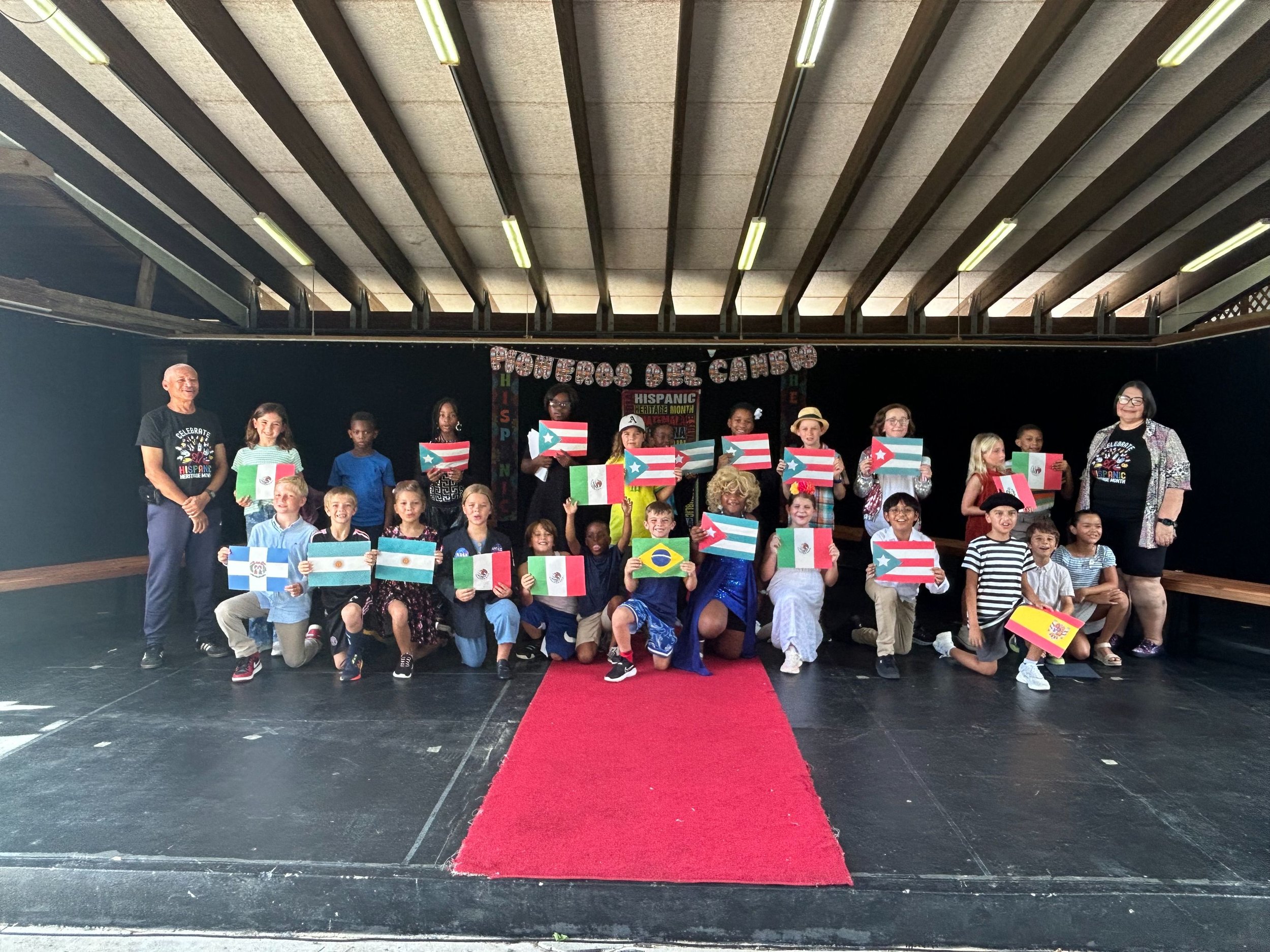
The Montessori Elementary Program
Grades 4 and 5
The Grades 4 and 5 program at VIMSIA represents a sophisticated evolution of the Montessori journey. Our curriculum is designed to move students from concrete understanding to abstract thinking, ensuring they are fully prepared for the rigors of middle school and beyond.
It serves as a vital bridge, blending the foundational self-direction of Montessori with the academic structure of the International Baccalaureate (IB) Middle Years Program.
Advanced Mathematics: Our math program utilizes a unique "Progressive Montessori" hybrid. In 4th Grade, students continue to master concepts using advanced hands-on Montessori materials. In 5th Grade, we introduce the MYP structure, featuring daily lessons and independent practice that focus on logic, modeling, and clear mathematical communication.
The Workshop Model: We employ the Workshop Model for both Reading and Writing. This professional-level approach allows for deep literary analysis and complex composition. Students engage in intensive "mini-lessons" followed by long periods of focused work, where they receive individualized coaching to refine their unique voice and critical thinking.
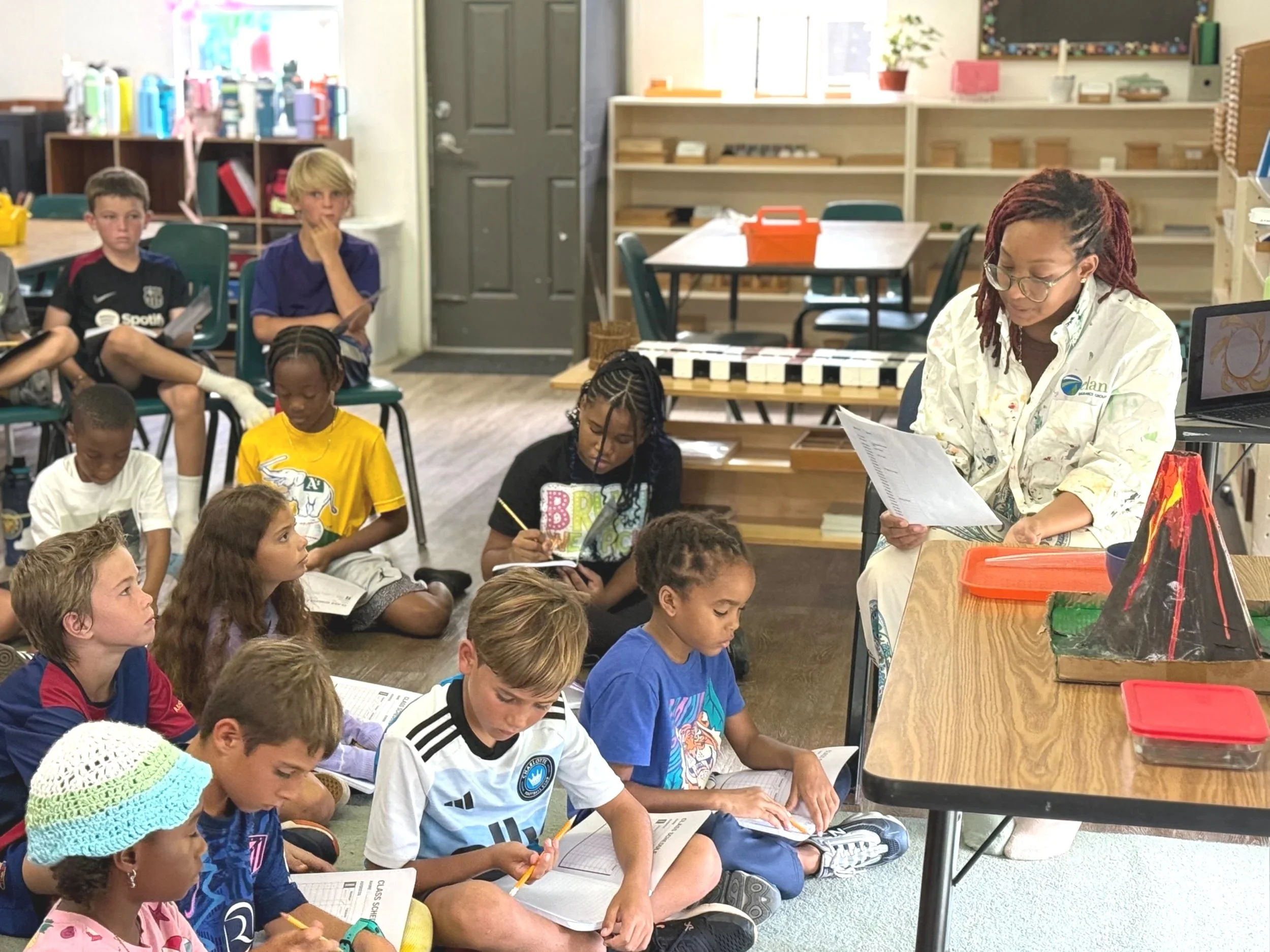
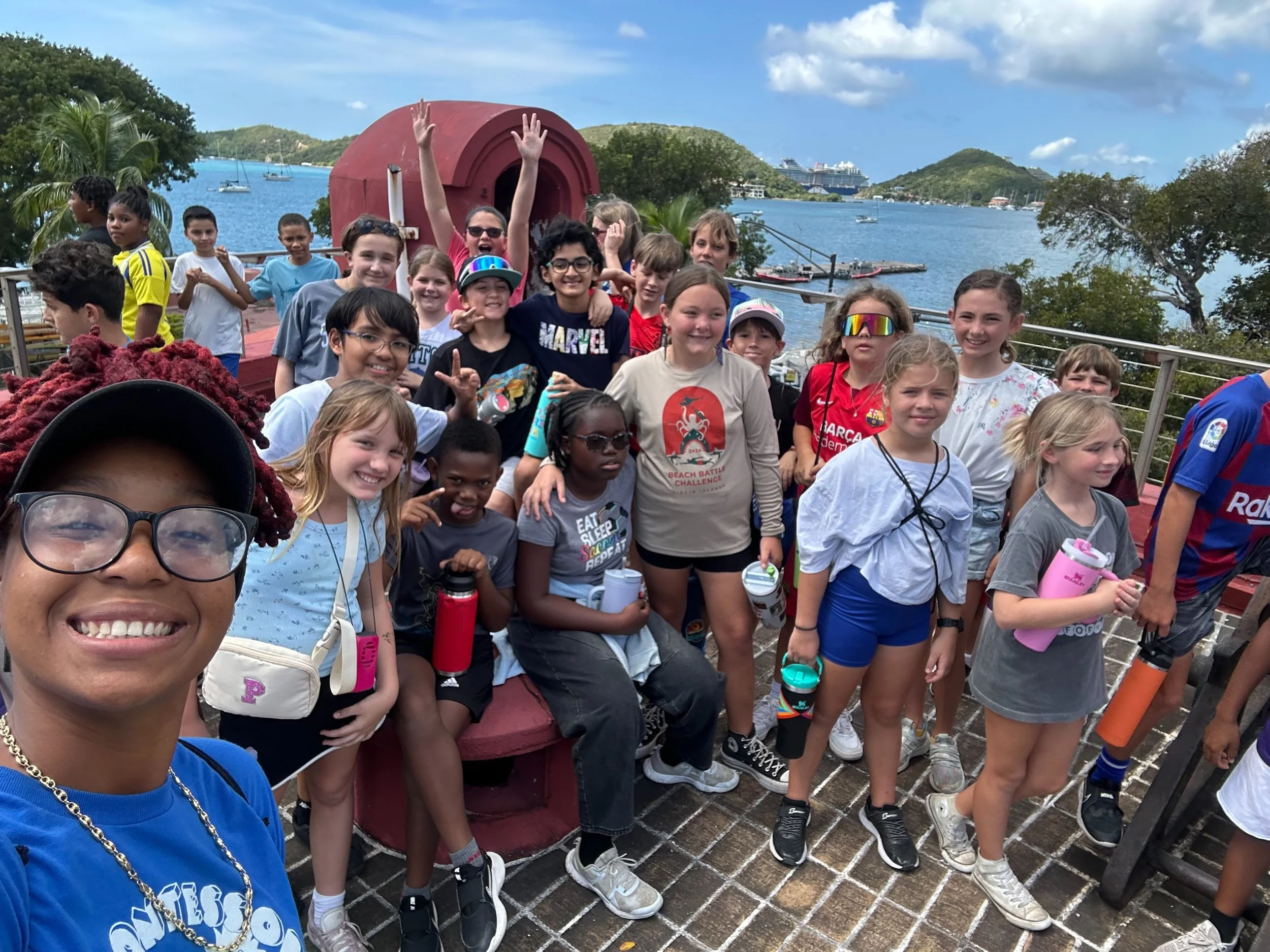
Science & Exploration: Leveraging our island environment, students take their studies outside. Nature walks become scientific expeditions where students apply their knowledge of biology, ecology, and physics to the local Caribbean landscape, documenting their findings with academic precision.
Students take ownership of their learning:
By setting and pursuing academic and personal goals,
working at their own pace within a differentiated curriculum that encourages deep thinking and varied approaches to learning.
Through daily Morning Meetings and weekly town halls strengthening community inclusivity, and respectful communication.
The Grades 4 and 5 program ensures that your child is actively constructing a sense of self and a mastery of the world. By the time they graduate from 5th grade, they are self-motivated, deep-thinking learners ready for the challenges of a global education.
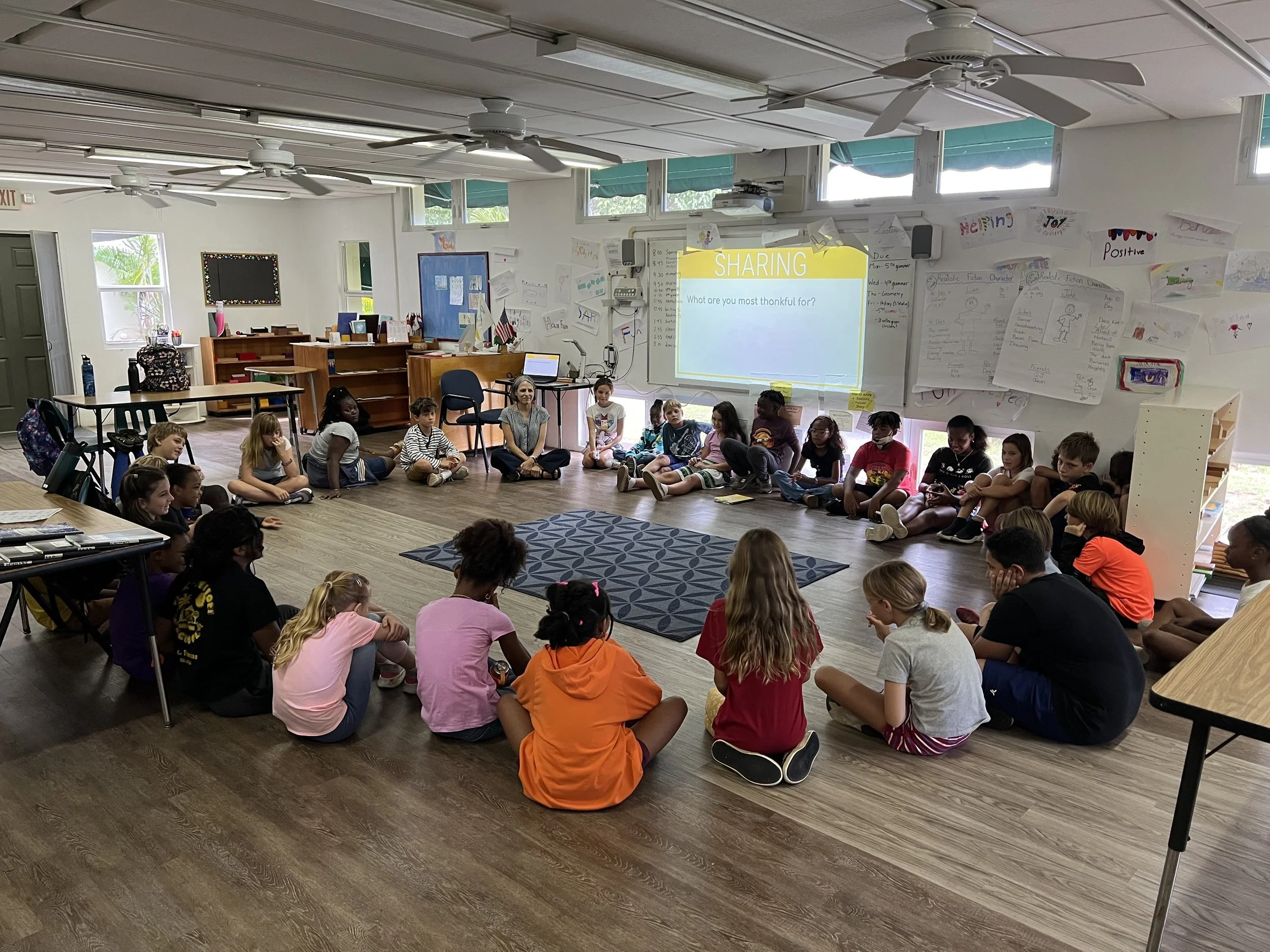
Community Building
Every day begins with a Morning Meeting. Every individual is greeted and has a chance to share about the chosen topic of the day.
Students practice listening and inclusivity by acknowledging each other's contributions and valuing all opinions. Students get to know each other and interact with everyone through class games and morning messages.
Mathematics
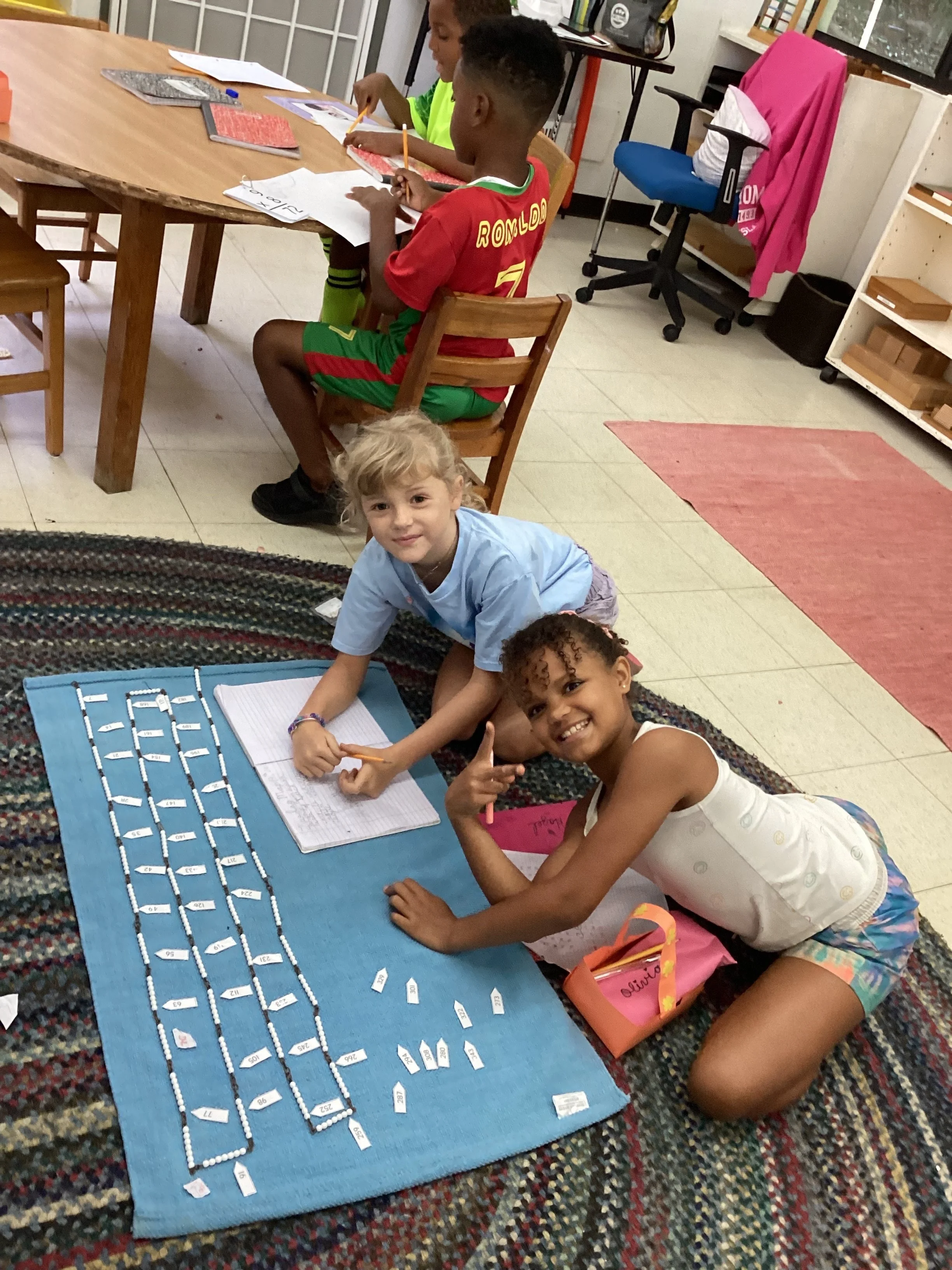
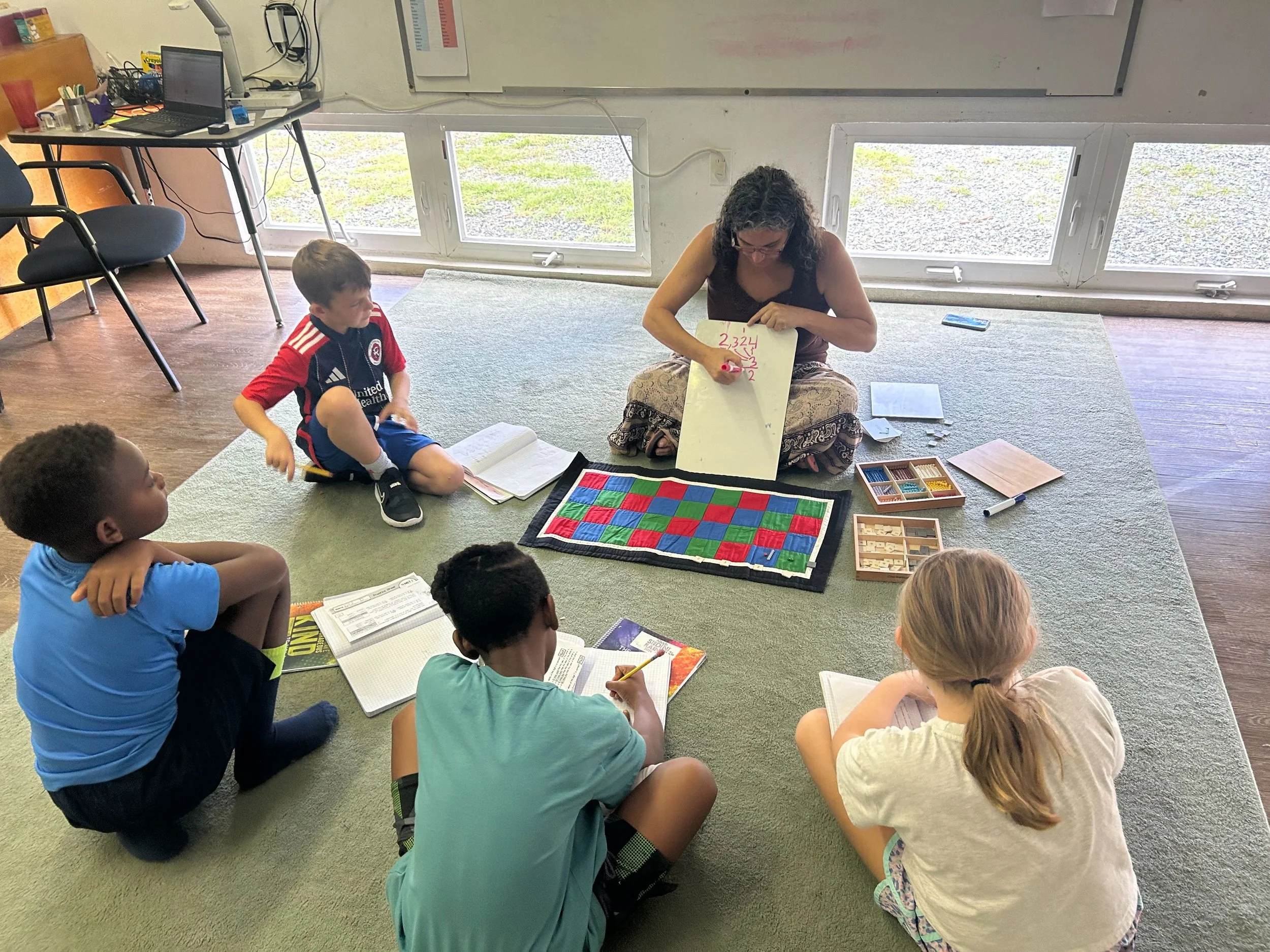
Math blends Montessori and Progressive styles. In 4th grade, students learn through small-group lessons with hands-on Montessori materials, moving from concrete to abstract concepts while managing their work independently. In 5th grade, daily math lessons introduce the MYP structure with short lessons, practice time, and individual teacher support. Across both grades, the focus is on problem-solving, reasoning, clear communication, and using models to explain thinking.
Science
Aligned with the NGSS (Next Generation Science Standards), students develop scientific practices such as asking questions, modeling, conducting investigations, analyzing data, applying math, constructing explanations, engaging in evidence-based arguments, and communicating findings. Using a variety of materials and tools, students drive their own experiments, learn from successes and failures, and make claims grounded in evidence from their investigations.
Technology
Students are given their own Chromebook to use in the classroom. They are introduced to Google Classroom and how to use Google docs, slides, and more. We implement a digital citizenship curriculum to help students manage their interactions with technology. Students use different platforms for practicing math, typing, coding, and communicating. Technology is also integrated into the regular curriculum.
Reading and Writing
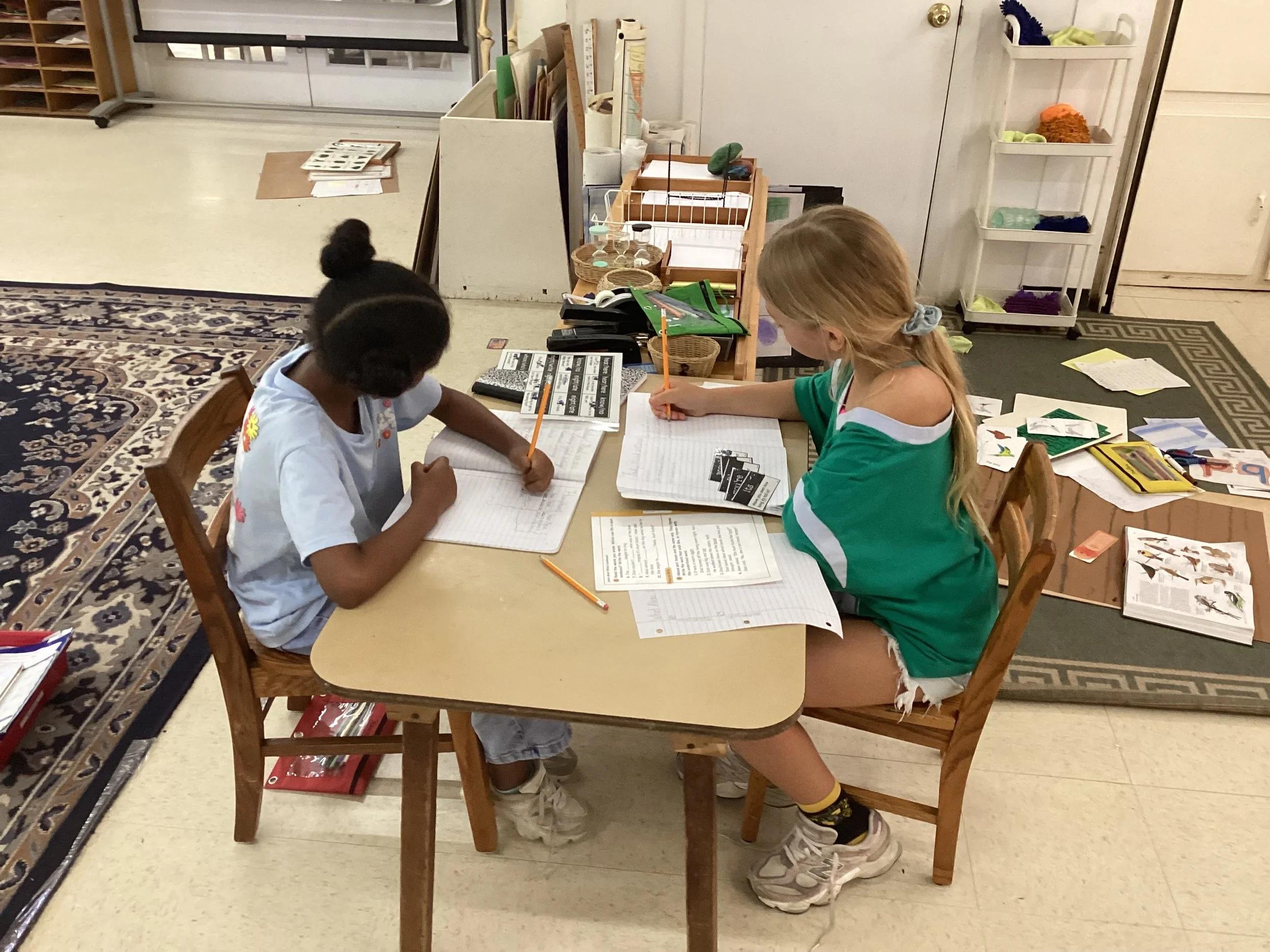
The workshop model guides reading and writing instruction, with students attending daily Reading and Writing Workshops. Each session begins with a mini lesson introducing a skill, which students then apply to their own reading or writing. They select their own books or topics and work independently, in pairs, or in small groups, while the teacher meets one-on-one to assess progress and introduce new skills.
Geometry
All students receive Montessori-based geometry lessons throughout the week. A unique emphasis on geometry in the elementary years helps introduce children to the logical processes and nomenclature used in algebra. An array of remarkable hands-on materials brings each of these areas to life allowing children to discover the inner workings of the math procedures that they explore.
Grammar and Language
In Montessori, the adult’s role in language is to create a rich environment filled with materials and experiences that nurture grammar, research, oral and written expression, and even foreign language. Serving as a model of clear, expressive communication, the adult inspires children with the beauty and power of language. Using Montessori methods and materials, students explore grammar, sentence structure, word study, and spelling through visual tools, then manage their follow-up work independently. This approach builds competence and confidence across all forms of communication and self-expression.
History
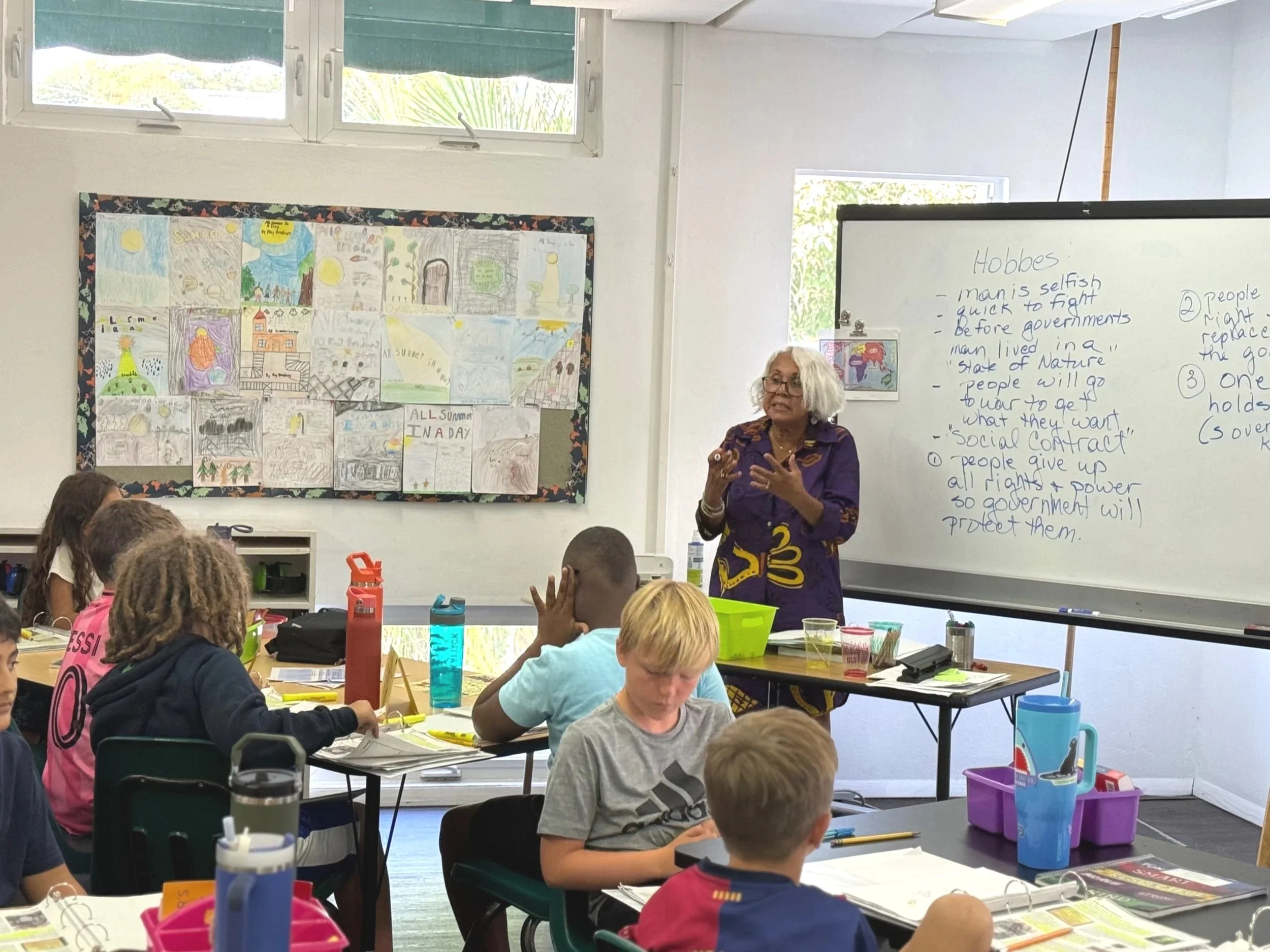
History is taught not as a list of dates but as the story of humanity’s interaction with the universe, blending Montessori methods with Progressive approaches. Beginning with prehistory—the creation of the universe, the rise of life, and early human cultures—students explore how each culture met fundamental needs and contributed unique gifts to humanity. The study emphasizes gratitude for those who came before while acknowledging both achievements and failures, with timelines, research, and hands-on projects serving as key tools for exploration